Laser cleaning: rust, paint, wood and graffiti
Compare rust and paint removal, timber restoration, varnish stripping and graffiti cleaning.
Rust removal from steel.
Loose corrosion, tightly bonded oxide and heavy scale behave differently. Inspect the underlying metal and agree the required finish. Cleaning removes contamination; it does not restore metal already lost to corrosion or certify the remaining component.
Deep pits and recesses can retain contamination. Plan inspection and any subsequent coating promptly because a newly exposed surface can re-oxidise.
Paint and coatings.
Identify the coating before trialling. Paint can contain hazardous pigments or additives; removed material can create harmful airborne particles and fumes. Do not process unknown coatings until their hazards and suitable extraction are established.
Layered paint, fillers, plated finishes and primers may respond differently. Agree whether the process should strip everything, expose a selected layer or prepare a local repair. Check adhesion and coating requirements afterwards.
Match the process to the substrate.
| Surface | What to assess |
|---|---|
| Mild steel and cast iron | Corrosion depth, scale, pitting and the finish needed for the next process. |
| Stainless steel | Heat tint, colour change, surface roughness and corrosion-performance requirements. |
| Aluminium | Reflectivity, thin sections, heat sensitivity and the risk of altering the surface. |
| Polished tooling | Dimensional tolerances, texture, edges and preservation of the original finish. |
| Plated or coated parts | Whether the protective layer must stay intact; a cleaning process can remove it. |
| Stone, wood and heritage materials | Specialist assessment is required. Do not assume a metal-cleaning setup is suitable. |
Preparation for welding, bonding and coating.
Define cleanliness with the person responsible for the downstream process. Visual brightness alone does not demonstrate freedom from all residues or the required surface profile. Use the relevant inspection and quality procedure for the job.
Validate critical joints, coated systems and precision parts with representative trials. Keep the approved process settings and inspection records with the job documentation.
Oil, carbon and non-metal surfaces.
Oil residues and carbon deposits can be considered for application testing, with the contamination identified first. Flammable residues and hazardous decomposition products require appropriate process, fire and extraction controls.
Wood coatings, stone, ceramics, glass and selected plastics need specialist trials. Absorption, colour, texture and thermal response vary widely; a successful result on metal is not evidence of suitability for these surfaces. Heritage objects need conservation-led assessment.
Wood, paint and varnish removal
Pulsed laser cleaning can remove selected paints and varnishes from suitable timber. Furniture, doors, beams and decorative joinery are applications to assess on a representative sample.
Wood species, grain, moisture, coating thickness and previous treatments affect the result. Check for scorching, colour change and loss of fine detail before treating the whole item. A successful metal-cleaning demonstration does not establish suitability for wood.
Penetrating stains and oils are different from surface coatings: colour within the timber may remain. Thin veneers, glued joints and valuable or historic finishes need specialist assessment. Do not promise a return to bare, unstained wood.
Graffiti removal from brick, stone and metal
Laser cleaning can remove selected spray-paint and ink graffiti from suitable surfaces. Assess the exact paint, substrate and any protective finish together; there is no universal setting for every wall or object.
Paint can penetrate porous brick and stone, leaving a shadow after surface cleaning. Check colour and texture as well as removal. Fragile masonry, mortar, decorative surfaces and historic fabric need specialist assessment.
On painted or coated metal, the original finish may also be removed. Agree which layer must remain and inspect a test area before proceeding. A result on bare steel does not prove that a painted panel can be cleaned without affecting its finish.
Choose by the trial result, not wattage alone
Ask Carter to assess the material and coating before selecting a machine. Agree the required finish, acceptable colour or texture change, and a measured working cycle. We confirm the suitable configuration after the application trial; these examples are not a guarantee that every model suits every surface.
Wood is combustible, and removed paint or varnish can produce hazardous particles and fumes. Identify the coating, assess fire risk, and provide suitable extraction and laser controls. Graffiti cleaning in public areas also requires a controlled work area that protects bystanders.
What could you clean? See the possibilities.
Explore wood cleaning, varnish removal, graffiti cleaning, rust removal and more.
Application illustrations. These are explanatory visuals, not photographs of Carter trials or guaranteed results. Suitability and the finished surface must be established on your material.
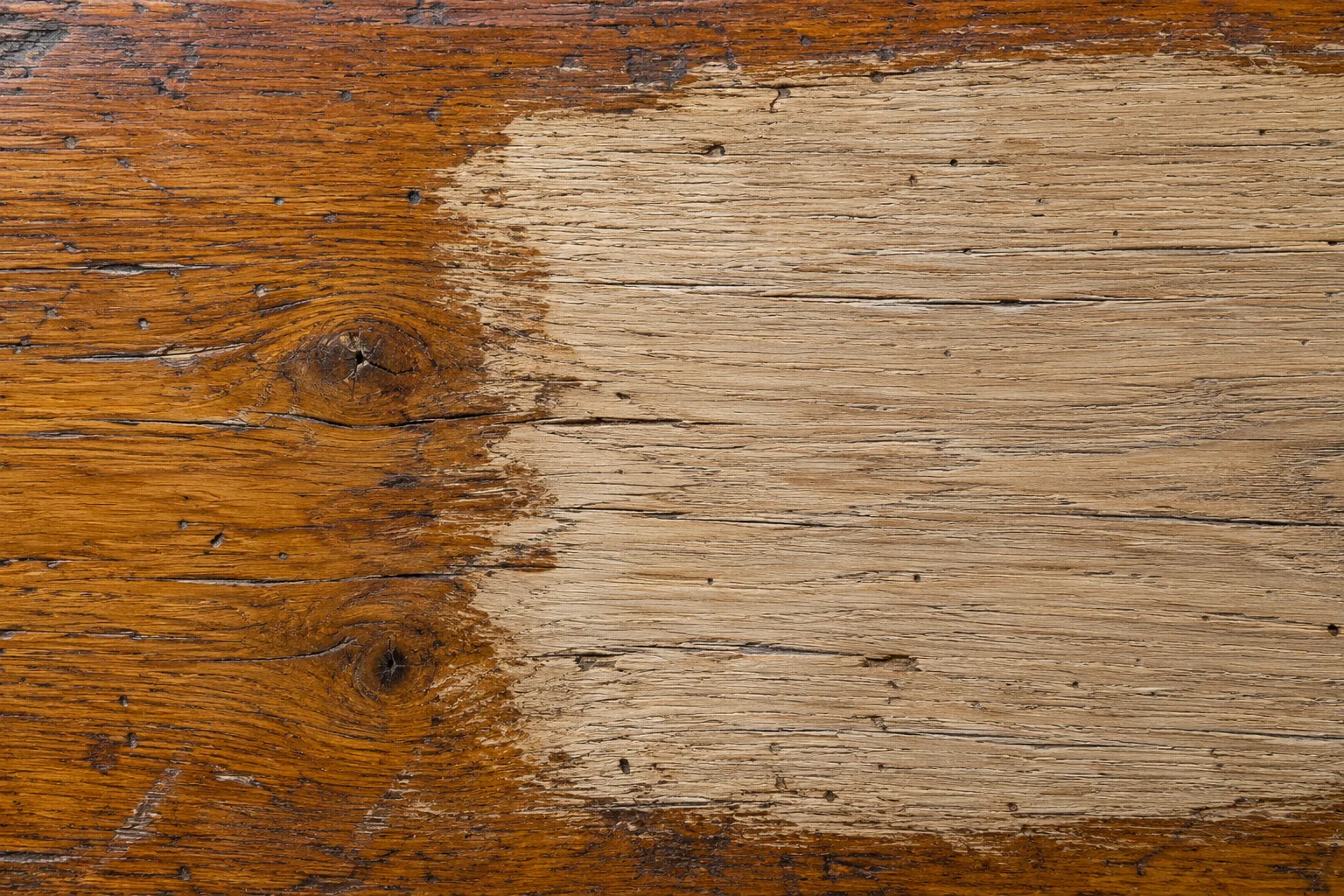
Wood cleaning and varnish removal
Explore removal of selected surface coatings from timber. Grain, wear and penetrating stains remain; a trial must check for scorching, colour change and loss of detail.

Graffiti removal from brick
Assess spray-paint removal from brickwork. Porous brick and mortar can retain a paint shadow; test the finish and surface condition before treating a larger area.
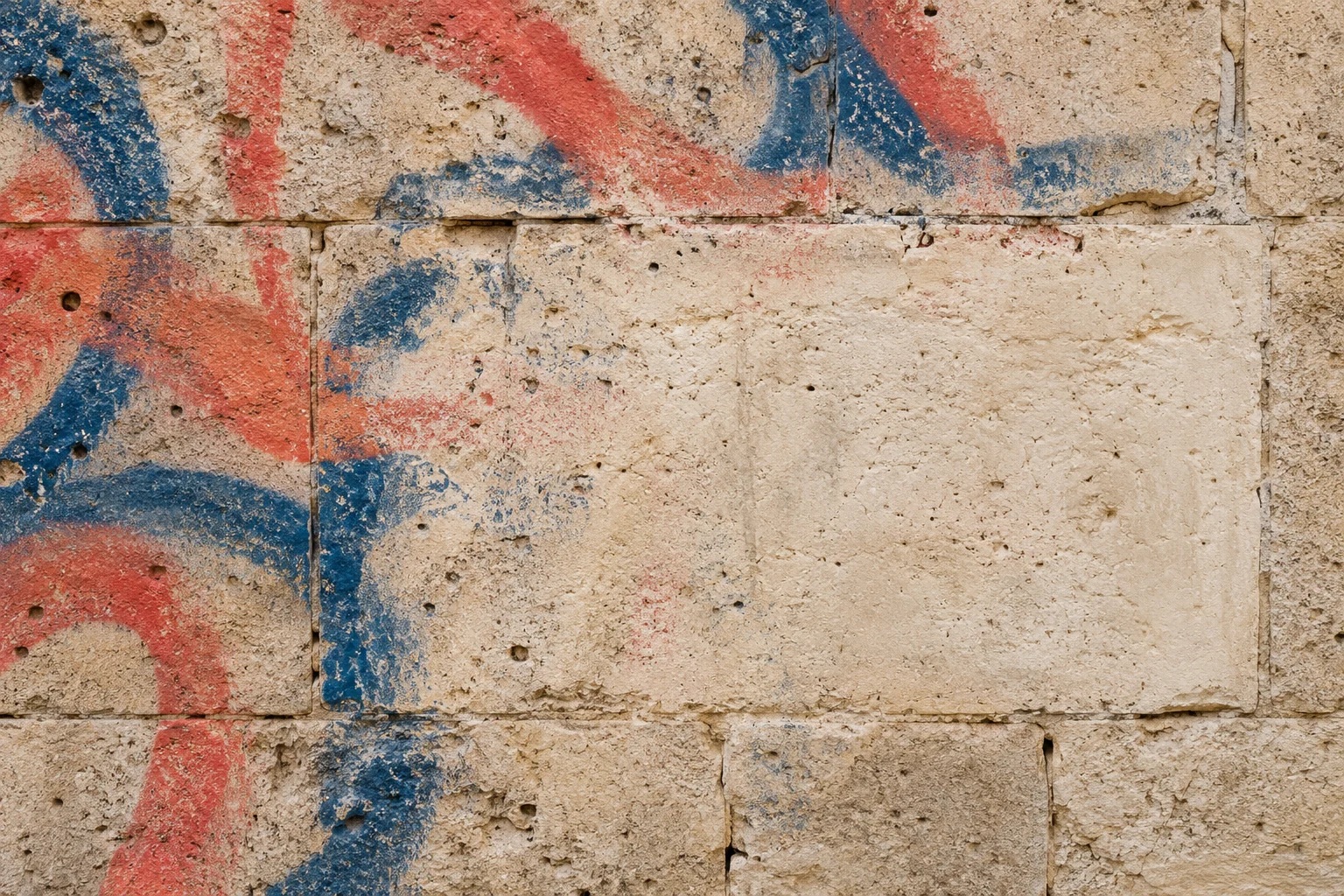
Graffiti removal from stone
Explore selective graffiti removal from suitable stone. Natural texture and age remain; fragile stone and historic surfaces need specialist assessment.
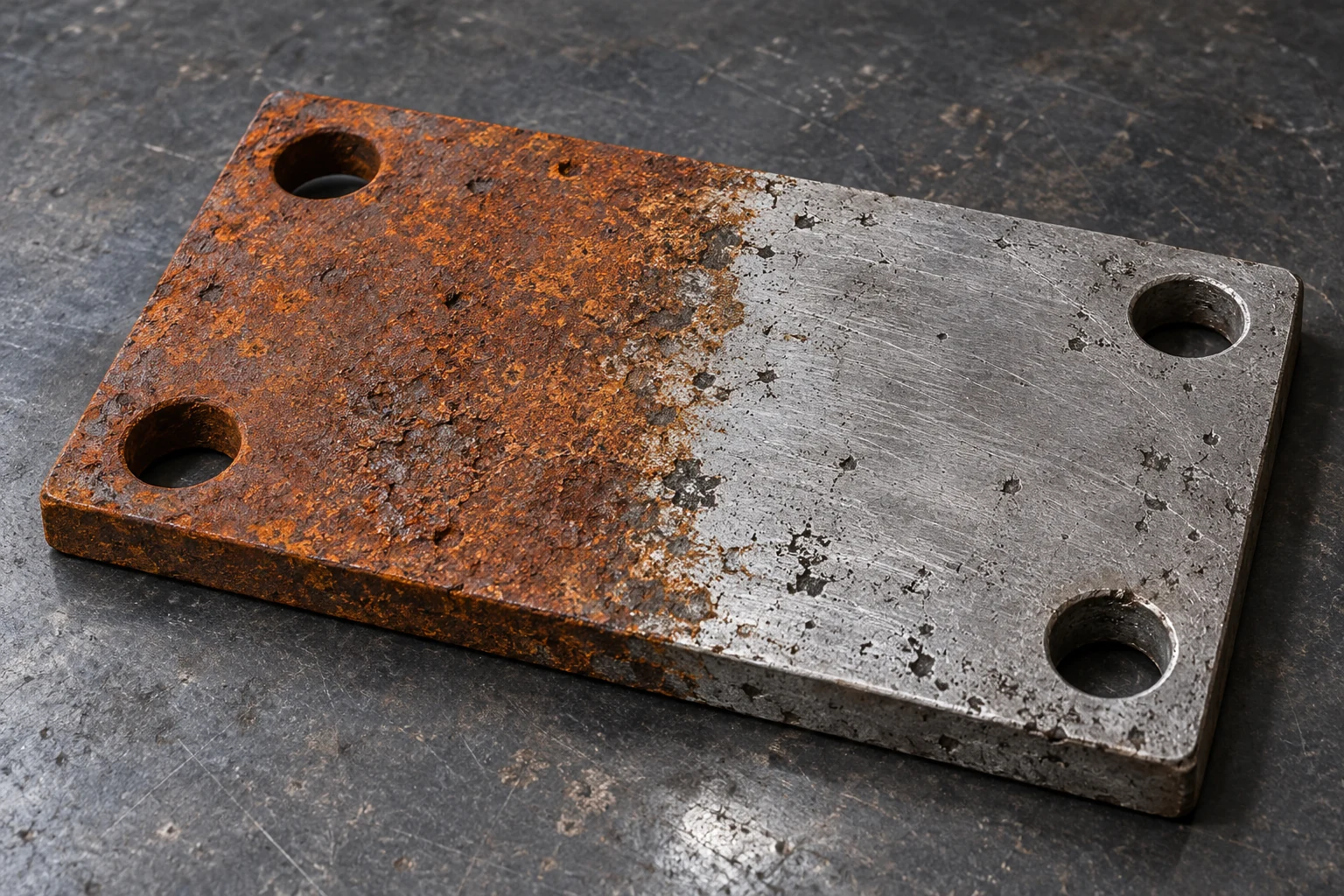
Rust removal from steel
Expose the underlying metal on suitable components, brackets and fabrications. Corrosion pits remain: cleaning cannot replace metal that has already been lost.

Selective paint and coating removal
Prepare a defined area for repair, welding or bonding while retaining coating elsewhere, where trials demonstrate suitable control. Layer thickness and composition affect the result.
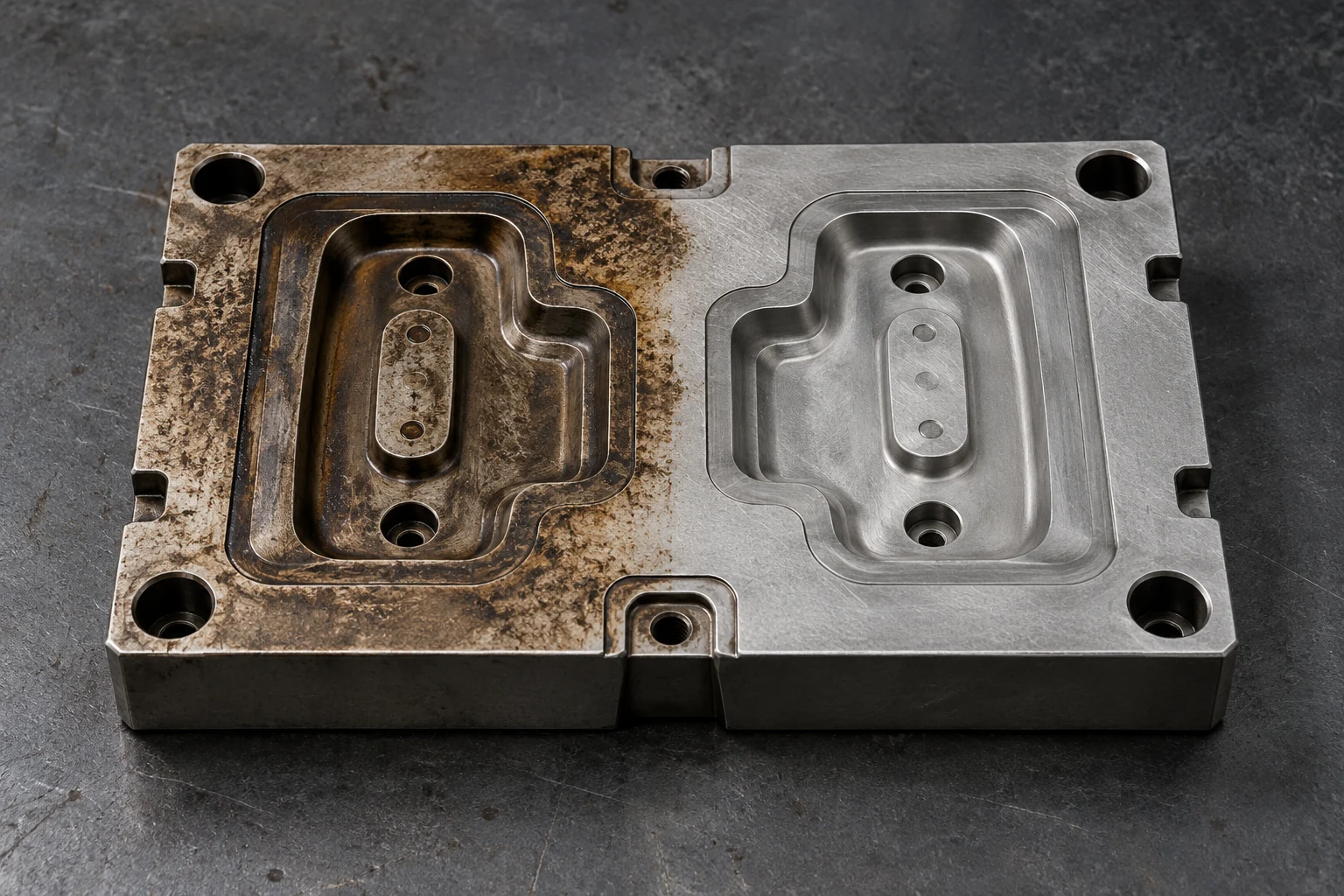
Moulds, tooling and maintenance parts
Investigate residue removal from accessible features. Check dimensions, surface texture and any protective or release coating before approving the process.
Keep exploring.
Choosing a laser cleaning machine
Match the cleaner to the material, finish and daily workload.
Read guide →Carter cleaning guidePulsed vs continuous-wave cleaning
Understand average power, pulse energy and heat input.
Read guide →Carter cleaning guideLaser cleaning: rust, paint, wood and graffiti
Compare rust and paint removal, timber restoration, varnish stripping and graffiti cleaning.
Read guide →Carter cleaning guideLaser cleaning vs blasting
Compare access, surface profile, waste and job economics.
Read guide →Carter cleaning guideLaser cleaning safety and setup
Plan the controlled area, extraction, PPE and training.
Read guide →Carter cleaning guideLaser cleaning costs and payback
Build a realistic budget using measured cycle times.
Read guide →Carter cleaning guideLaser cleaning trials: what to test before buying
Agree the sample, finish, cycle time and inspection before choosing a laser cleaner.
Read guide →Tell us what you need to clean.
Send the material, coating or contamination, approximate area, photographs and required finish. Carter will help narrow down the machine and the complete installation package.